
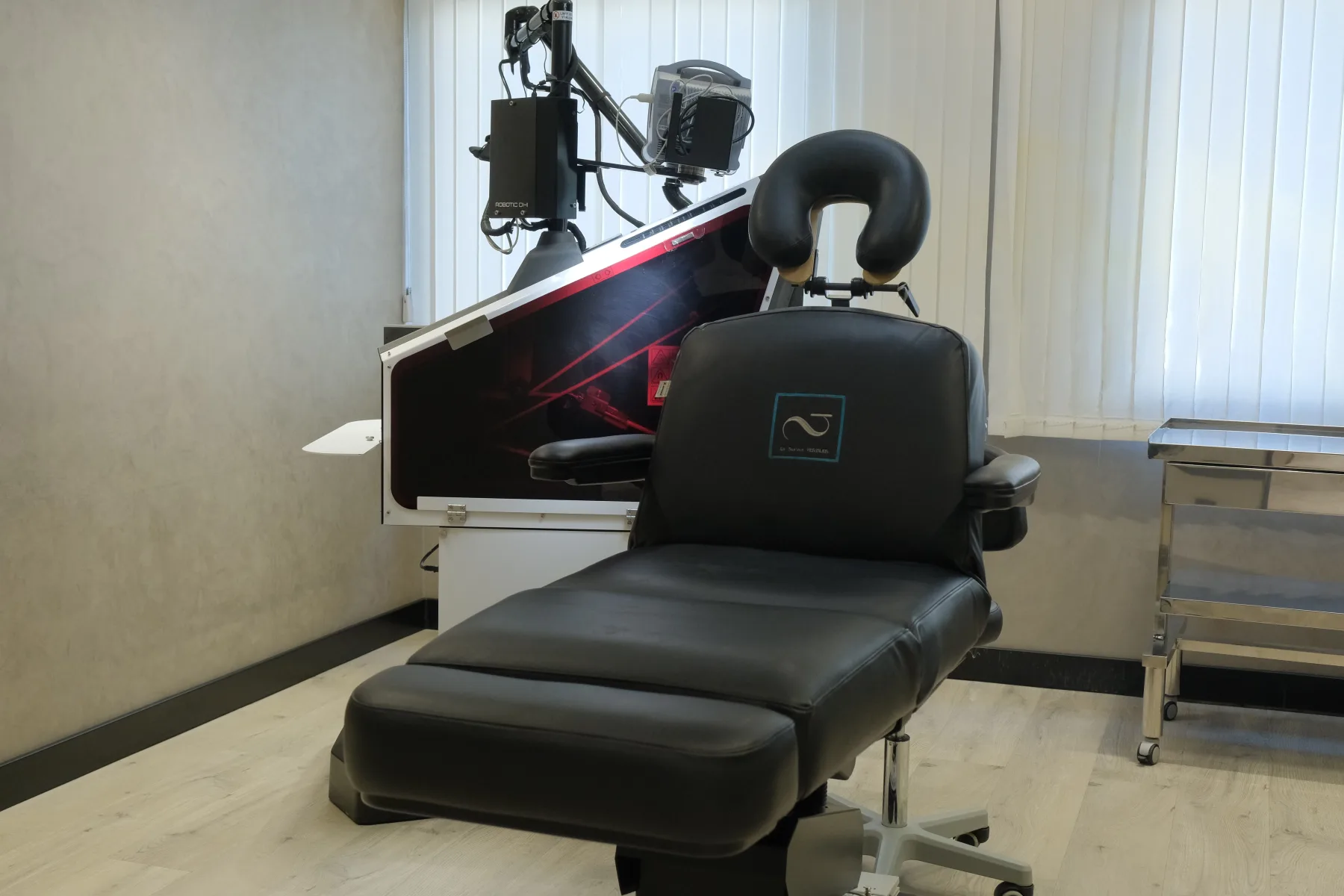
Cardiovascular disease remains the largest single subtraction from healthspan, and the most predictable. This programme measures your cardiac risk properly, then reduces it under supervision.
Why standard cholesterol testing is not enough
| Marker | On a standard panel? | Why it matters |
|---|---|---|
| LDL cholesterol | Yes | Cholesterol carried, not particle count |
| ApoB | Rarely | Counts the particles that actually cause plaque |
| Lp(a) | Almost never | Inherited; raised in roughly 1 in 5 people |
| hs-CRP | Sometimes | Inflammatory driver of plaque instability |
| Vascular age | No | Arterial stiffness against your chronological age |
| HRV | No | Autonomic balance and recovery capacity |
What is included
- Cardiology examination and ECG
- Echocardiography and virtual angiography
- Detailed blood analysis including ApoB and Lp(a)
- Heart rate variability analysis
- 5RM muscle strength measurement
- Cardiac rehabilitation — 12 or 24 supervised sessions
- Twelve weeks of cardiologist follow-up and six weeks of weekly online consultations
Rehabilitation, not advice
The training phase is telemetry-monitored and supervised, whether you are recovering from an event or have simply never trained at a prescribed intensity. Sessions are graded against your own measured capacity, then re-tested.
One number worth knowing. If you do nothing else on this page, have your Lp(a) measured once. It is inherited, it does not change with lifestyle, and knowing it changes how aggressively everything else should be managed.
Measure first. Intervene second. Re-test always.
How it runs
- AssessExamination, ECG, echocardiography and virtual angiography in one visit.
- StratifyAdvanced lipid and inflammation markers turn imaging into a risk number.
- RehabilitateSupervised, telemetry-monitored training with weekly cardiologist review.
- MaintainTwelve weeks of follow-up, then an annual re-test.
Questions
How long does the Reset Longevity Program take?
The diagnostic day is a single day. The intervention phase runs from five to twelve weeks depending on the protocol, followed by a re-test.
Do I need a referral?
No. Most patients start with a call to the longevity advisor, who works out which assessment you actually need.